Research & Collaborations
We develop statistical methods for studying how treatments, policies, and exposures affect outcomes, especially when the data do not come from a simple randomized experiment. Our work combines questions about what can be learned from data with methods for estimating effects and describing uncertainty. Collaborations in medicine and public health help shape these questions.
Methodological research
Causal inference in networked populations
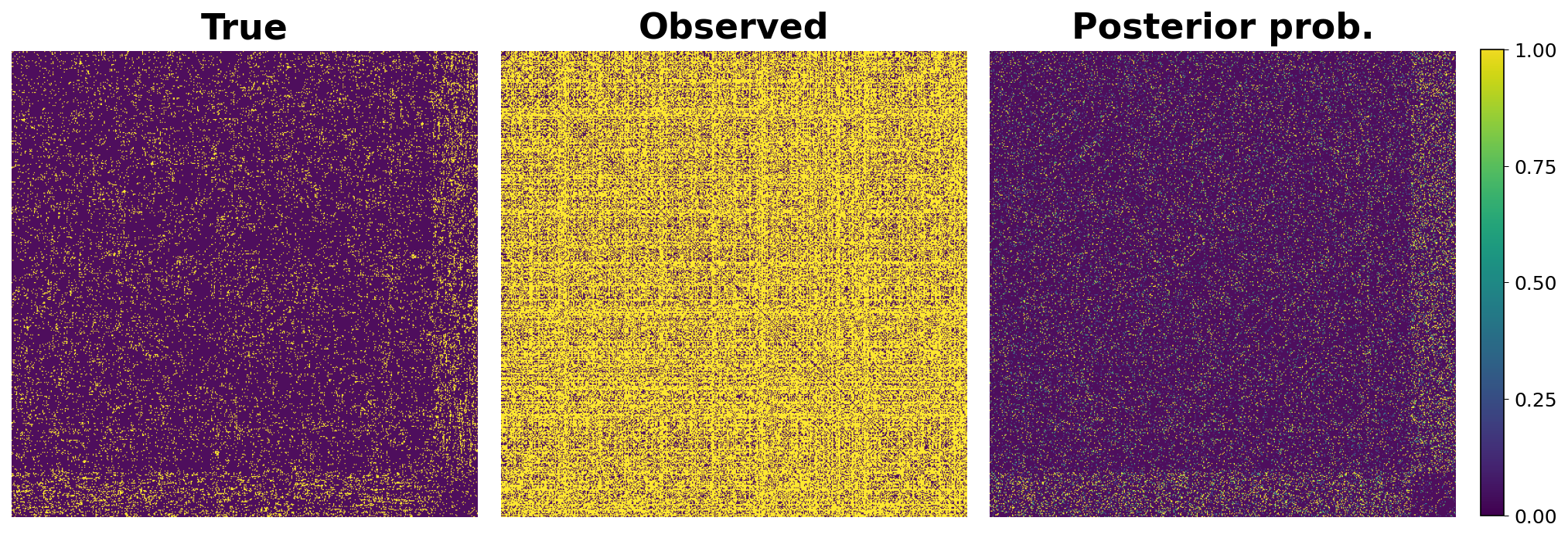
A treatment can affect people beyond those who receive it. Vaccinating one person, for example, may also protect their contacts. These spillovers make the pattern of connections between people part of the research problem.
Our work on causal inference under network interference asks how to estimate these effects when we only partly know who can affect whom. We develop methods that account for missing or mismeasured connections, use imperfect network measurements, and assess how conclusions change when the assumed network is wrong.
Main collaborators
Selected papers
Causal survival analysis & truncation by death
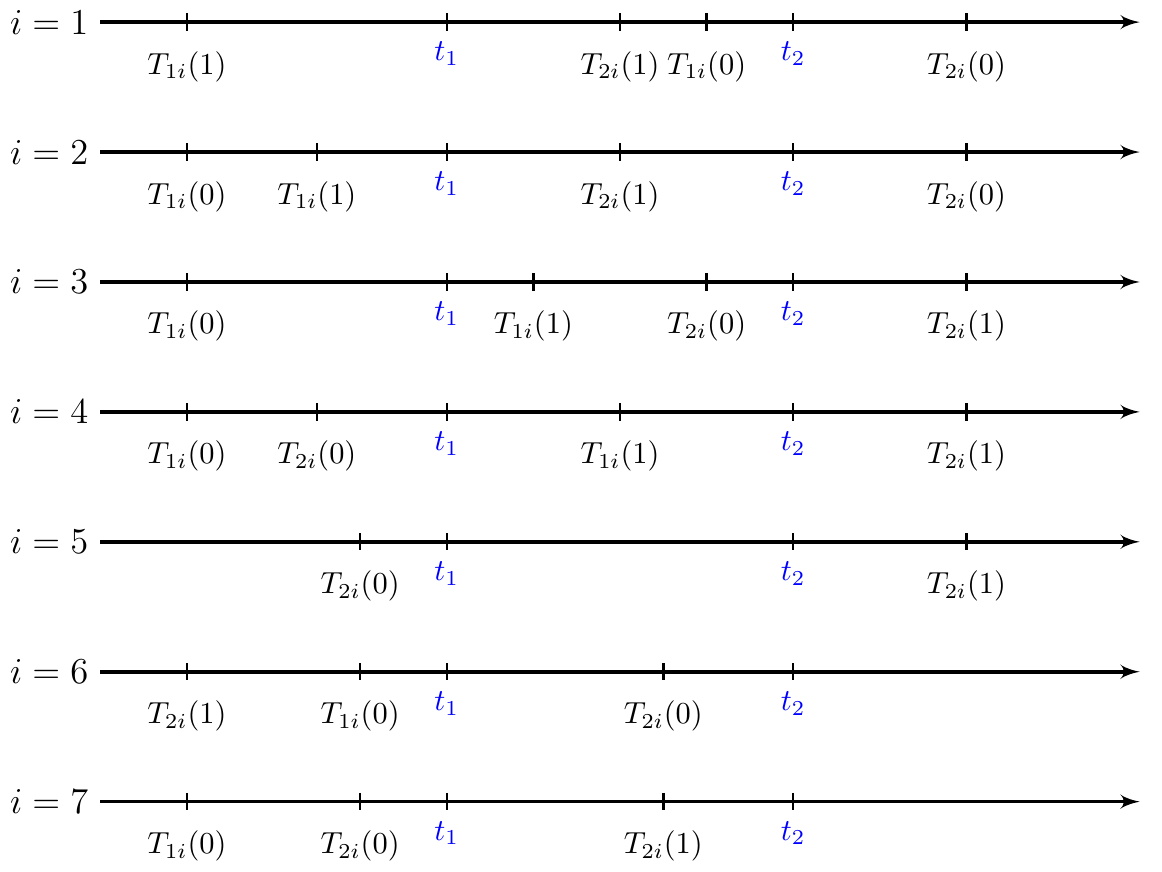
An intervention may affect both how long people live and whether they develop another condition. That makes questions such as whether it delays disease difficult: people who die first cannot go on to receive the diagnosis, and the people who survive may differ between treatment groups.
We study how to define and estimate treatment effects in these settings, including when an outcome is only meaningful for people who remain alive, a problem known as truncation by death. Our work considers both the timing of events and comparisons among people who would survive under either treatment. We also examine how conclusions depend on assumptions that the data cannot fully check.
Main collaborators
Selected papers
- Causal inference for semi-competing risks data Biostatistics, 2022.
- A sensitivity analysis approach for the causal hazard ratio in randomized and observational studies Biometrics, 2023.
- Matching methods for truncation by death problems Journal of the Royal Statistical Society: Series A, 2023.
Survival analysis
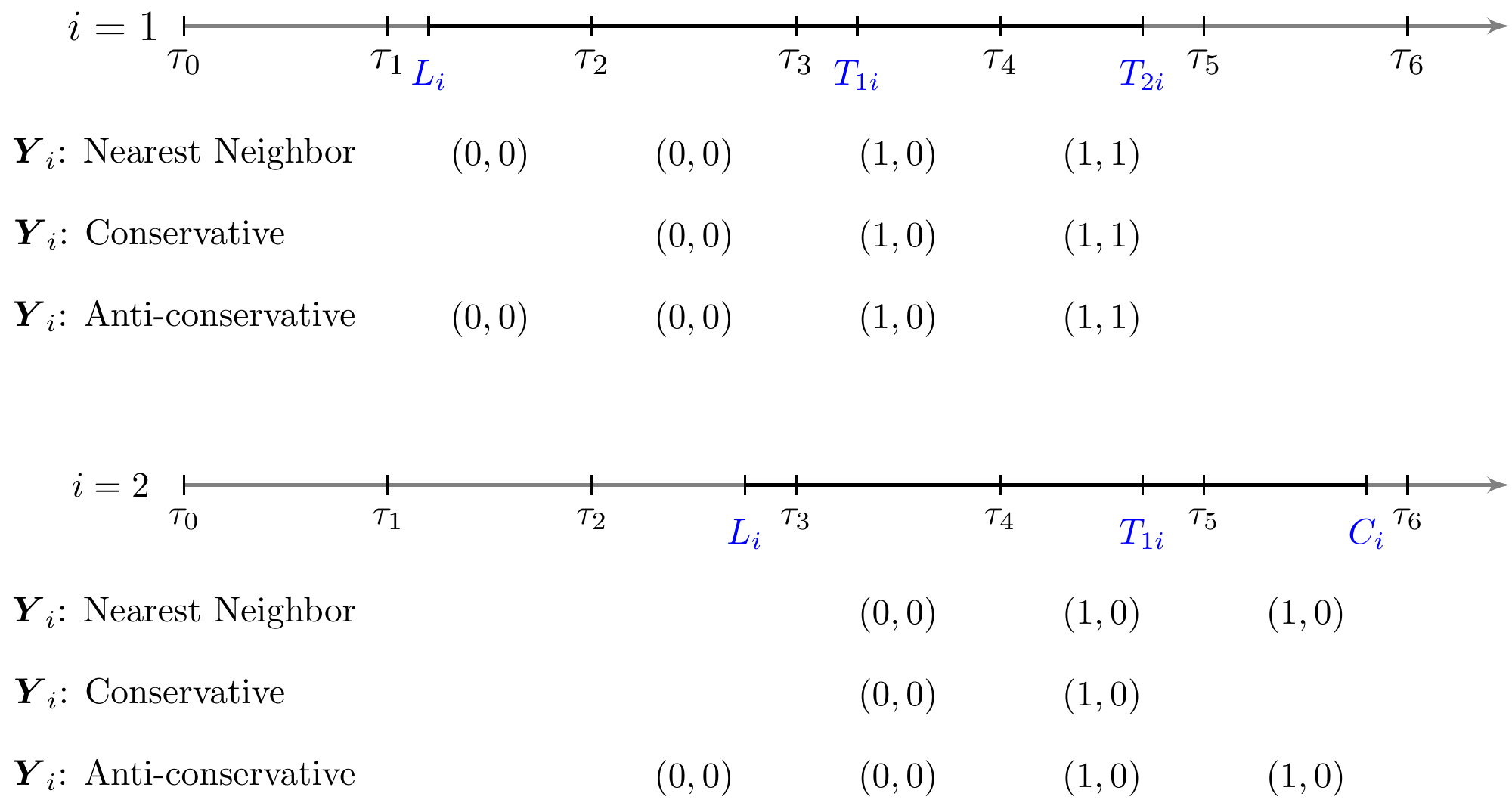
Many studies ask when something happens: a disease diagnosis, a complication, or death. Follow-up often ends before the event occurs, measurements may be taken only occasionally, and one event can change the chance of another.
We build statistical models that make use of these incomplete and interconnected histories. Our work includes modeling disease onset and death together, accounting for risk factors measured at only a few visits, and analyzing different disease types when some diagnoses lack information about the type. These methods describe how risks evolve over time and how events are related.
Main collaborators
Selected papers
- Modeling semi-competing risks data as a longitudinal bivariate process Biometrics, 2022.
- A novel calibration framework for survival analysis when a binary covariate is measured at sparse time points Biostatistics, 2020.
- The competing risks Cox model with auxiliary case covariates under weaker missing-at-random cause of failure Lifetime Data Analysis, 2018.
Econometrics
Policies and treatments are rarely assigned at random outside experiments. Researchers often use variables such as eligibility thresholds or factors that influence treatment choice to learn about effects. The credibility of those comparisons depends on assumptions about how the data were generated.
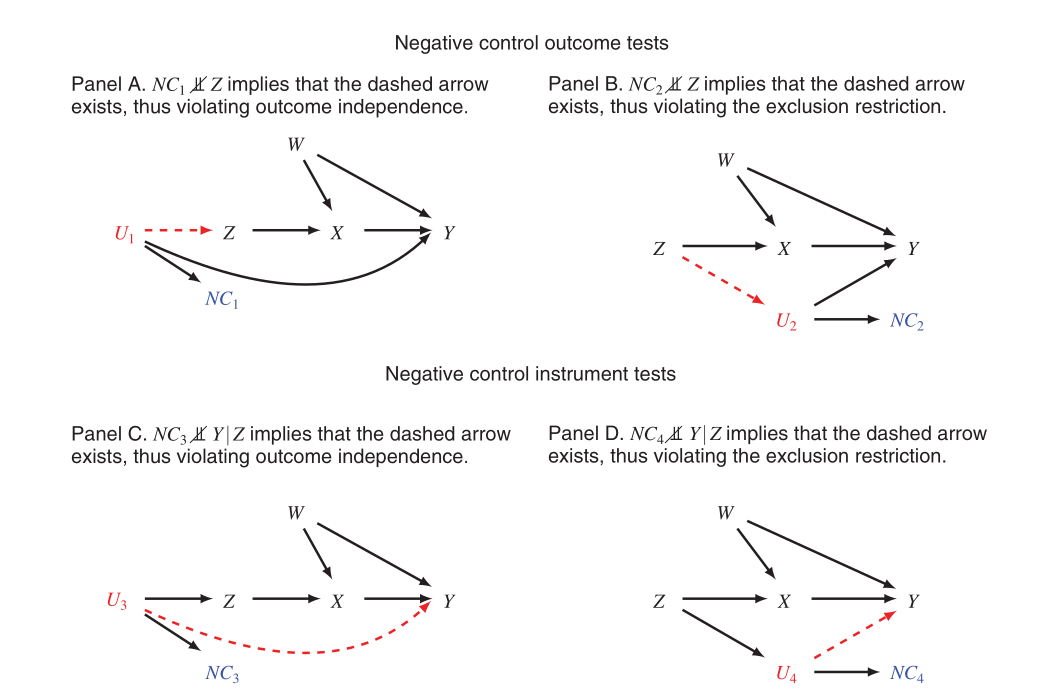
We study instrumental-variable designs, which use a factor that influences treatment choice to estimate treatment effects. Our work shows how additional measurements, called negative controls, can test the assumptions behind these designs, and when such tests can mislead. We also develop corrections for regression-discontinuity designs, which compare observations just above and below a threshold, using data from multiple time periods to address other differences at that threshold.
Main collaborators
Selected papers
- Negative control falsification tests for instrumental variable designs American Economic Review, 2026.
- Correcting invalid regression discontinuity designs with multiple time period data arXiv, 2024.
Causal inference & machine learning
Our work with Yonatan Belinkov and colleagues uses causal inference to understand what drives language-model behavior. Finding information inside a model does not necessarily mean the model uses it to make a prediction. We use causal mediation analysis to trace how information passes through particular components, such as individual neurons and attention heads. In our work on gender bias, this lets us examine which components contribute to biased predictions and how strongly.
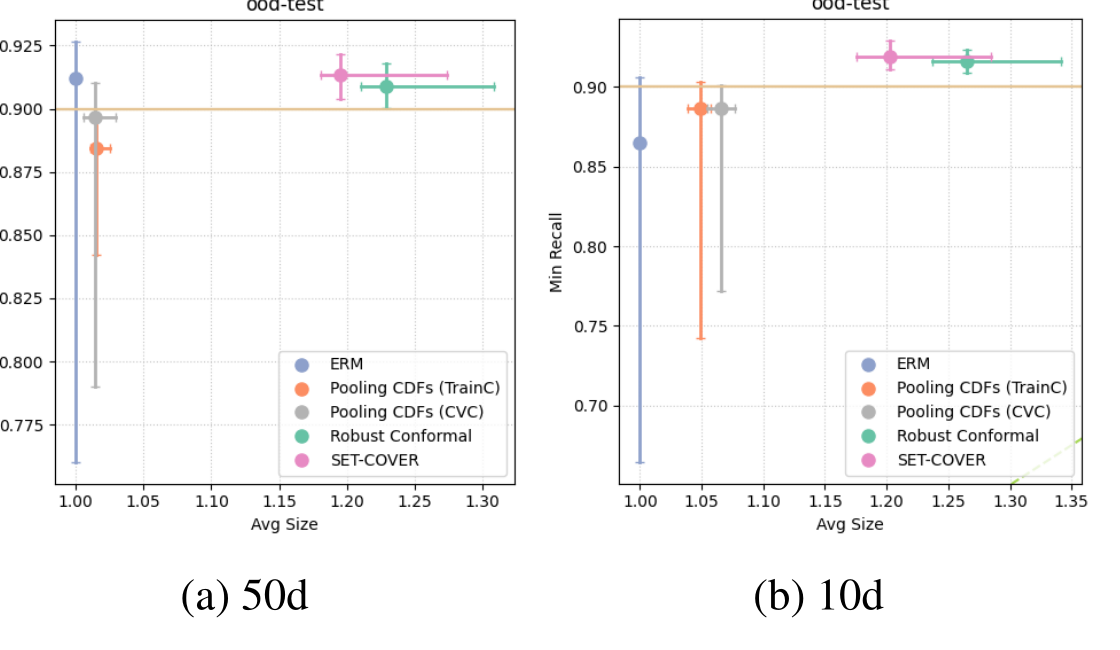
Other work in this area addresses reliable prediction in new settings, using small sets of plausible answers when a single answer may be unreliable. We also develop methods for finding collections of models that predict similarly well even when they use different variables.
Main collaborators
Selected papers
- Set valued predictions for robust domain generalization Proceedings of the 42nd International Conference on Machine Learning, 2025.
- Investigating gender bias in language models using causal mediation analysis Advances in Neural Information Processing Systems, 2020.
- Identifying a minimal class of models for high-dimensional data Journal of Machine Learning Research, 2017.
Learn-As-You-Go (LAGO) trials
Public-health interventions often combine several components. During a trial, researchers may discover that the package needs adjusting. Learn-As-You-Go (LAGO) trials allow its composition or intensity to change at planned stages, using the results collected so far. The aim is to find a package that reaches a chosen outcome goal at the lowest cost.
We develop the statistical methods that make it possible to learn from these trials. Because later interventions depend on earlier results, ignoring this adaptation can invalidate the analysis. Our work establishes conditions for estimating intervention effects and describing uncertainty using data from all stages, including uncertainty about the best package. The methods cover both yes-or-no outcomes and outcomes measured on a continuous scale.
- Start with a packageChoose the components and collect outcomes.
- Learn and adaptUse accumulated results to revise the package at each planned stage.
- Analyze all stagesEstimate effects and uncertainty while accounting for adaptation.
Main collaborators
Selected papers
- Learn-As-you-GO (LAGO) trials: optimizing treatments and preventing trial failure through ongoing learning Biometrics, 2025.
- Analysis of “Learn-As-You-Go” (LAGO) studies The Annals of Statistics, 2021.
Collaborative research
Infectious diseases & antimicrobial resistance
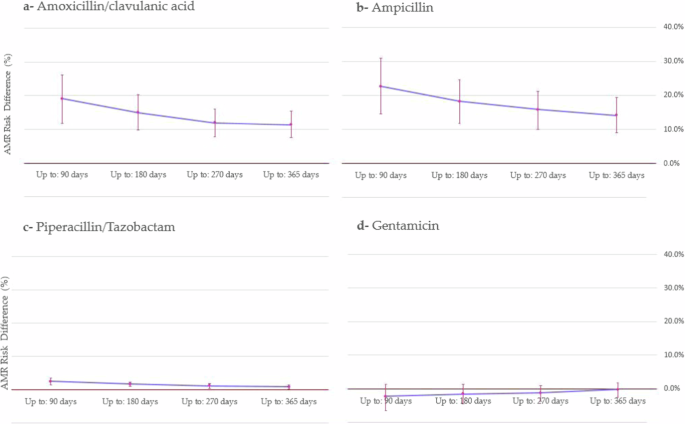
Choosing an antibiotic can have consequences beyond the infection being treated. Our collaborations ask how previous antibiotic use relates to later antibiotic resistance, how long that relationship lasts, and how different treatment choices compare.
A central difficulty is that patients receiving different antibiotics may already differ in their health and treatment history. We combine clinical data with methods designed to address these differences. These clinical questions also motivate new statistical methods when standard comparisons are not possible.
Main collaborators
Selected papers
- Estimating treatment effects from non-overlapping cohorts with application to antimicrobial resistance BMC Medical Research Methodology, 2026.
- Penicillin allergy as an instrumental variable for estimating antibiotic effects on resistance Nature Communications, 2025.
- The time-varying association between previous antibiotic use and antibiotic resistance Clinical Microbiology and Infection, 2023.
Environmental epidemiology
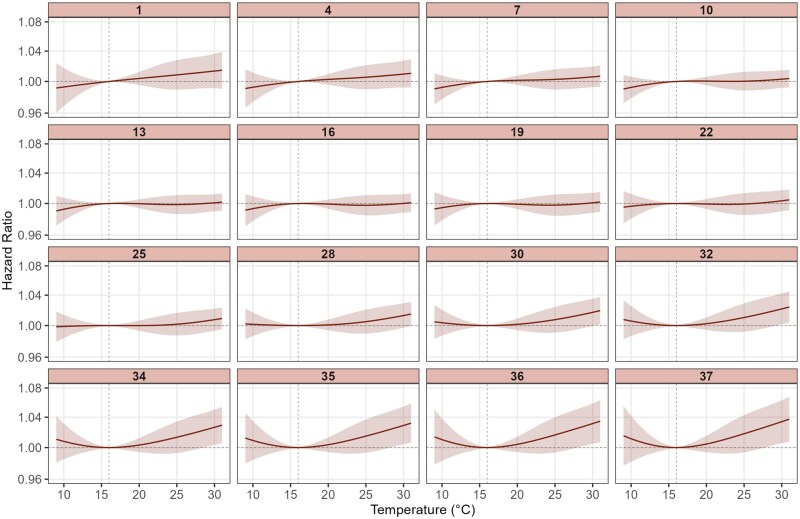
Our collaborations examine how outdoor temperature and air pollution relate to pregnancy, birth, and children’s health and development. We are interested in both the amount of exposure and its timing, such as which weeks of pregnancy may matter for preterm birth or fetal growth.
These questions require care because temperature, other exposures, and health risks all vary with the seasons. Alongside analyses of population data, we use simulations to study how choices about timing and seasonal adjustment can change the answer, including when an adjustment intended to reduce bias can instead introduce it.
Main collaborators
Selected papers
- Misspecified seasonality adjustment in temperature and preterm birth studies may introduce severe bias: a real birth cohort-based simulation International Journal of Epidemiology, 2026.
- Associations between prenatal exposure to ambient temperature and birthweight small-for-gestational-age: an integrative model International Journal of Environmental Health Research, 2026.
- Prenatal exposure to ambient temperature and preterm birth: a historical cohort International Journal of Epidemiology, 2025.
Inflammatory bowel disease
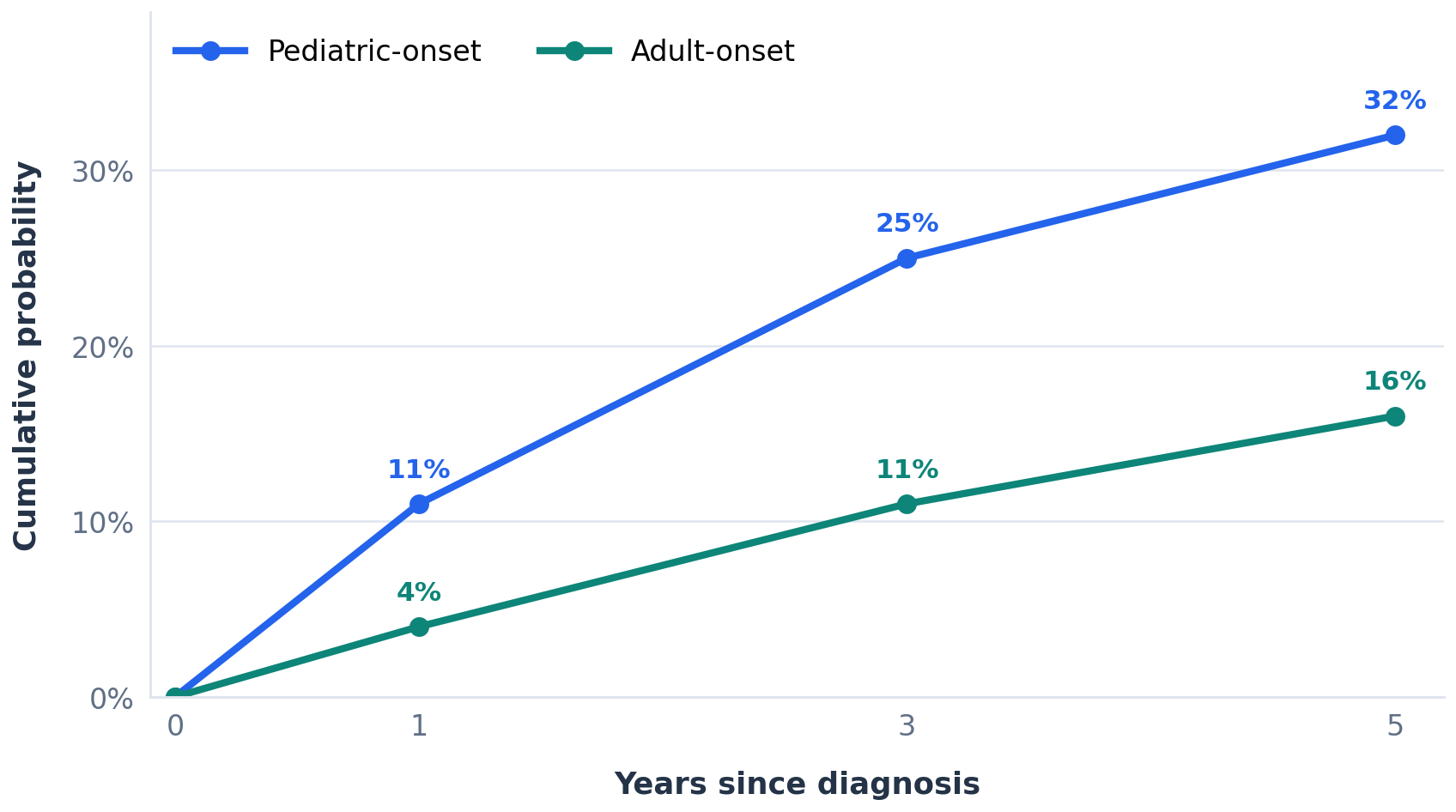
Crohn’s disease and ulcerative colitis can follow very different courses from one patient to another. Our collaborations study which patients are more likely to develop complications and how the timing of treatment relates to outcomes in children and adults.
We use the nationwide Israeli epi-IIRN cohort to follow patients’ treatments and disease complications over time. A key challenge is that worsening disease can both prompt treatment and predict later complications. Our analyses account for these changing patient histories when comparing treatment strategies, alongside work on describing and predicting disease course.
Main collaborators
Selected papers
- Predictors of complicated disease course in children and adults with ulcerative colitis: a nationwide study from the epi-IIRN Inflammatory Bowel Diseases, 2025.
- Early initiation of biologics and disease outcomes in adults and children with inflammatory bowel diseases Gastroenterology, 2024.
- Predictors of complicated disease course in adults and children with Crohn’s disease: a nationwide study from the epi-IIRN Inflammatory Bowel Diseases, 2024.
Cancer epidemiology & heterogeneous disease
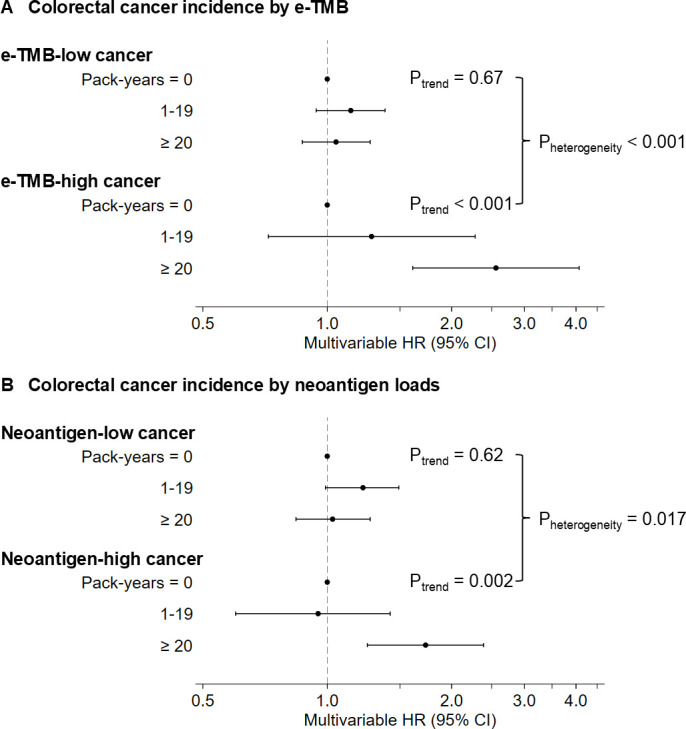
Cancers with the same clinical name can differ in their molecular characteristics and in the factors associated with their development. Our collaborations combine long-term follow-up with information about tumors to study colorectal and pancreatic cancer.
We ask, for example, whether the relationship between smoking and colorectal cancer differs across tumor types. The disease types also compete to be the first diagnosis, which complicates comparisons of their causes. Our methods work defines effects for individual disease subtypes and examines the assumptions needed to give those comparisons a causal interpretation.
Main collaborators
Selected papers
- The subtype-free average causal effect for heterogeneous disease etiology Biometrics, 2025.
- Smoking habit and long-term colorectal cancer incidence by exome-wide mutational and neoantigen loads BMJ Oncology, 2025.
- Risk factors for pancreatic cancer in individuals with intraductal papillary mucinous neoplasms and no high-risk stigmata during up to 5 years of surveillance Gut, 2025.
COVID-19 & vaccine studies
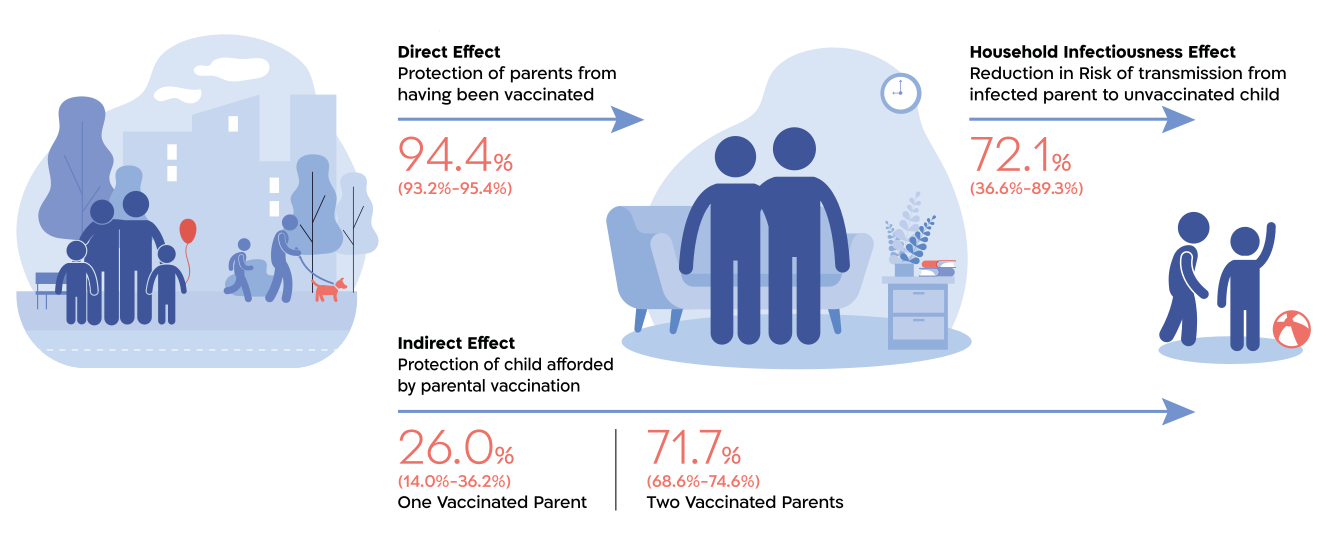
Our COVID-19 collaborations study vaccination in everyday healthcare settings, including during pregnancy and among people with inflammatory bowel disease. We also examine protection within households: whether vaccinating parents reduces the chance that their unvaccinated children become infected.
These studies use large healthcare datasets to compare infection outcomes while accounting for differences between vaccinated and unvaccinated groups. Related work considers vaccination strategies across populations and how biological protection and changes in behavior contribute to observed vaccine effects.
Main collaborators
Selected papers
- Indirect protection of children from SARS-CoV-2 infection through parental vaccination Science, 2022.
- Association between BNT162b2 vaccination and incidence of SARS-CoV-2 infection in pregnant women JAMA, 2021.
- COVID-19 vaccine is effective in inflammatory bowel disease patients and is not associated with disease exacerbation Clinical Gastroenterology and Hepatology, 2022.